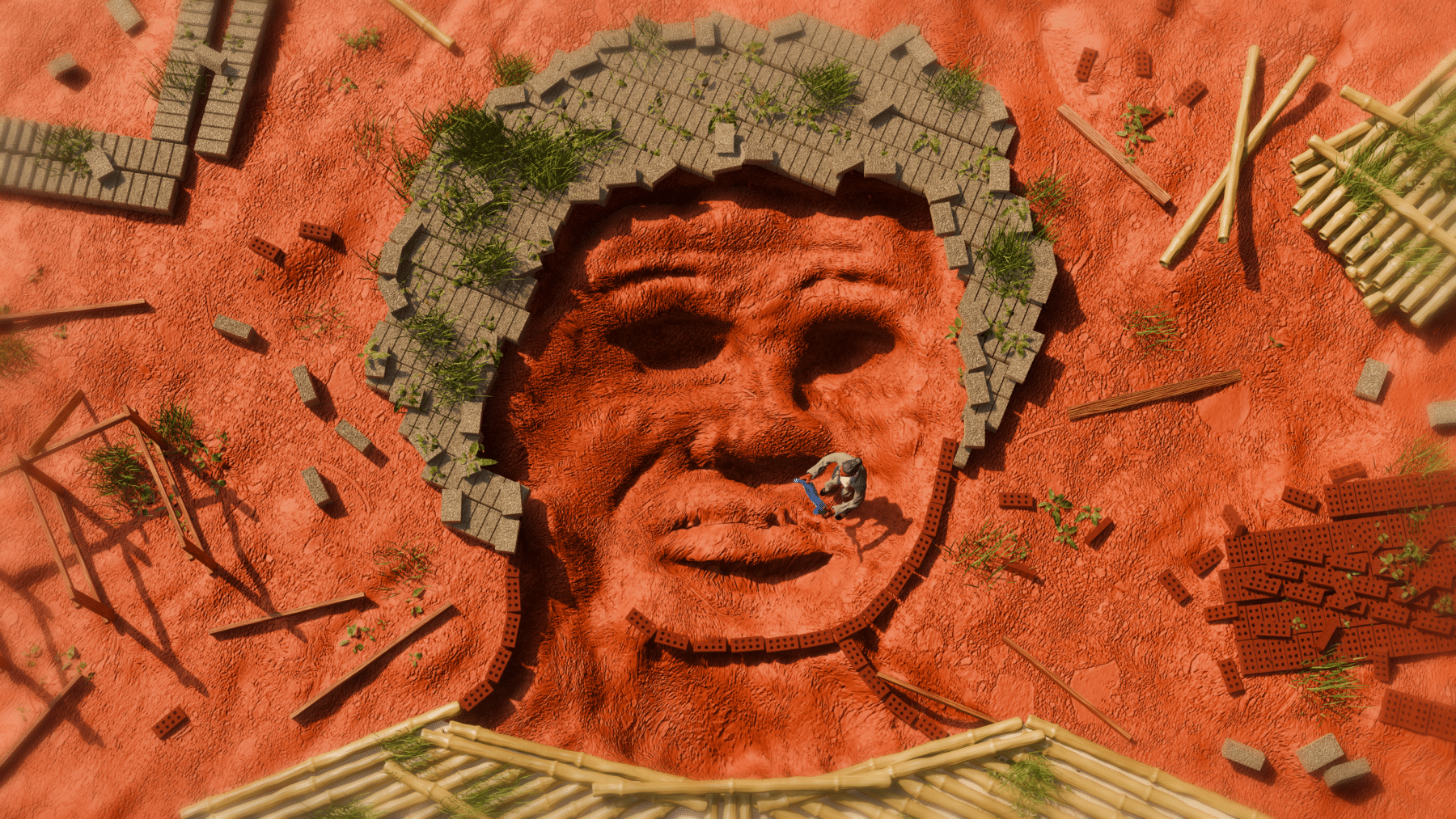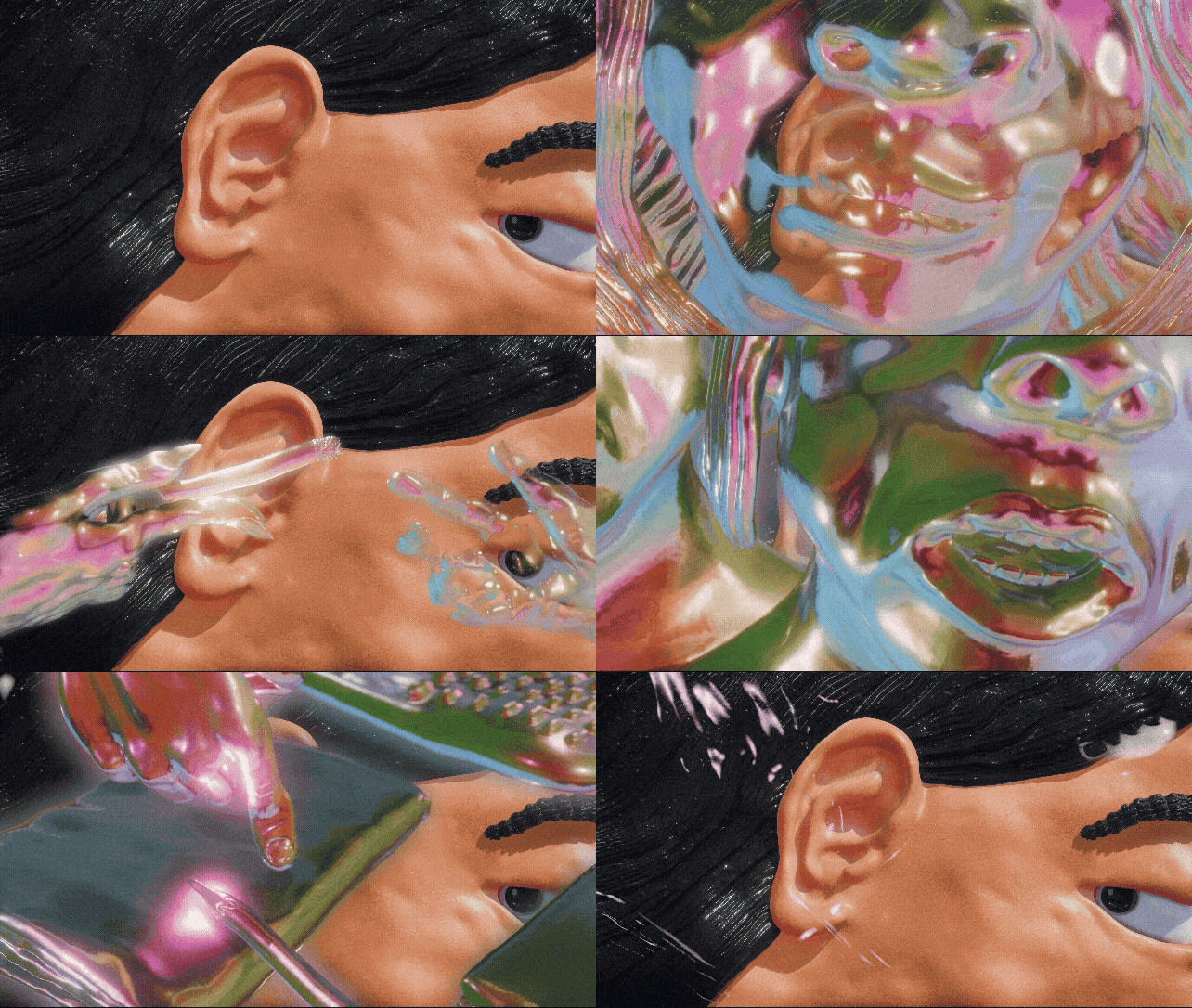


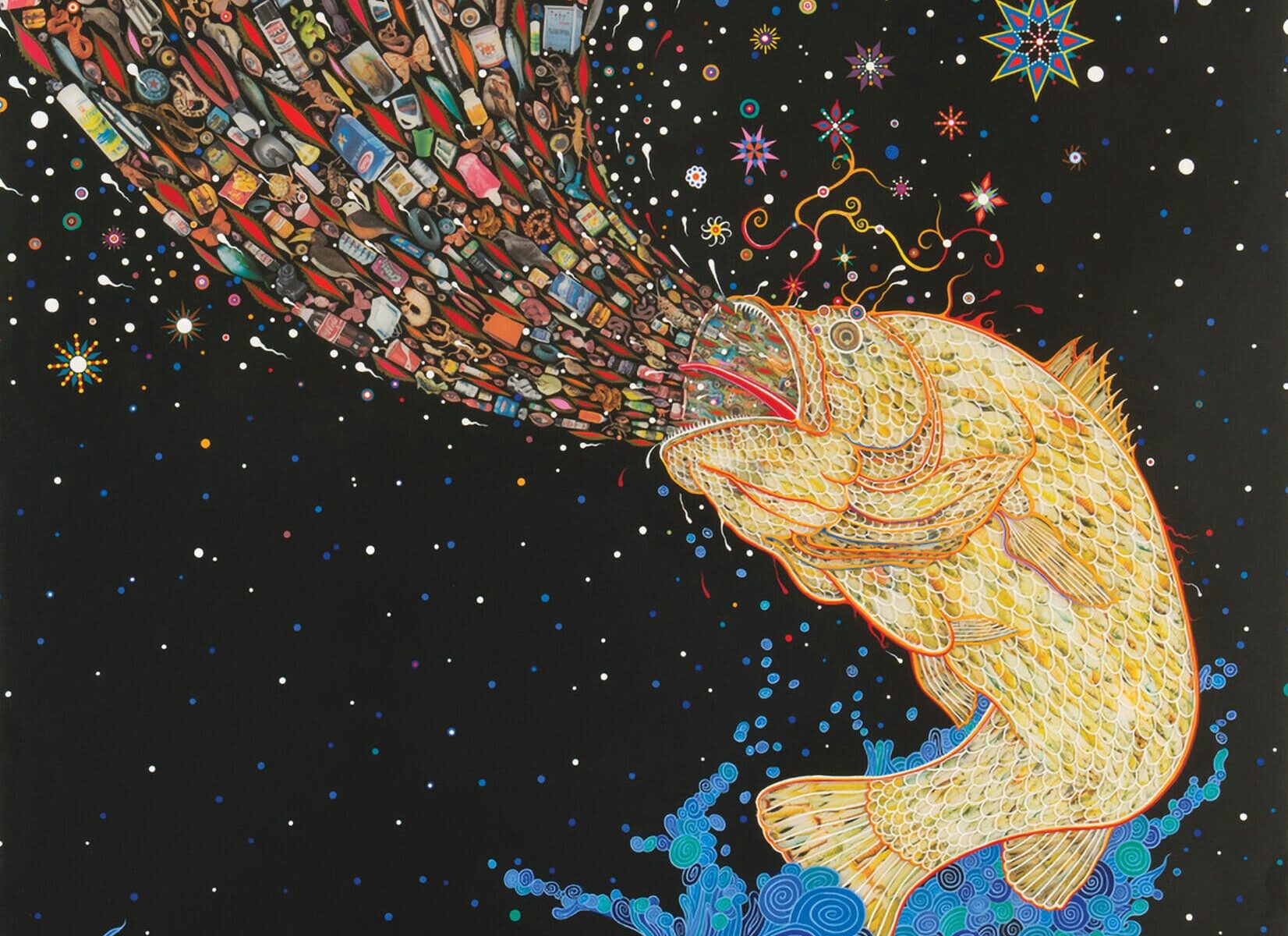
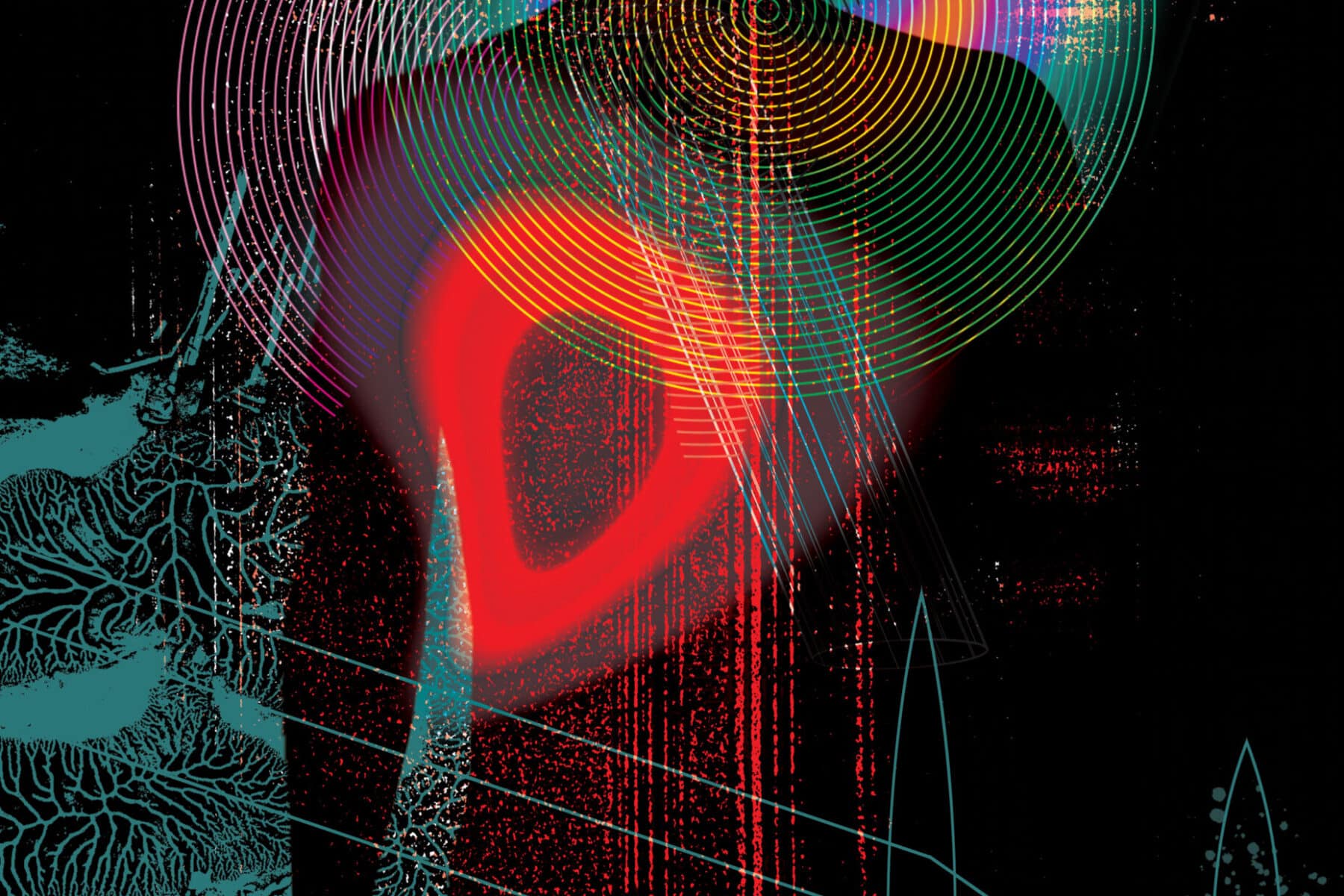

Rey Velasquez Sagcal's illustration for "Golden Rule" by Monica Byrne

Golden Rule

In an alternative legal system built on the concept of “an eye for an eye,” if you commit a crime, your punishment is that someday a network of state agents will perpetrate the same crime against you. These ministers, themselves survivors of violence, follow the principle of “commensurate severity.” When one such minister is assigned to a kidnapping case, she’s forced to determine what justice really looks like.
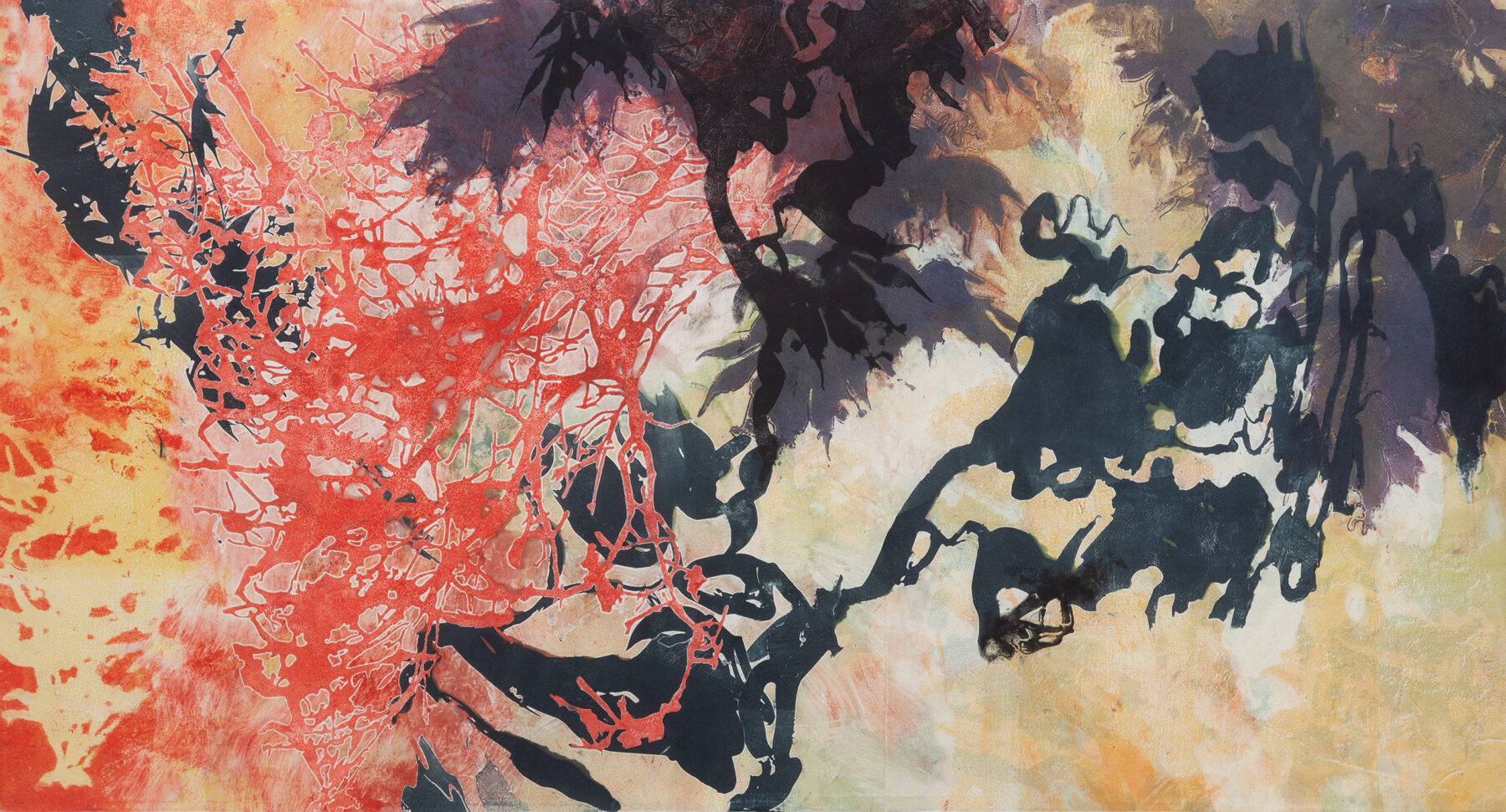
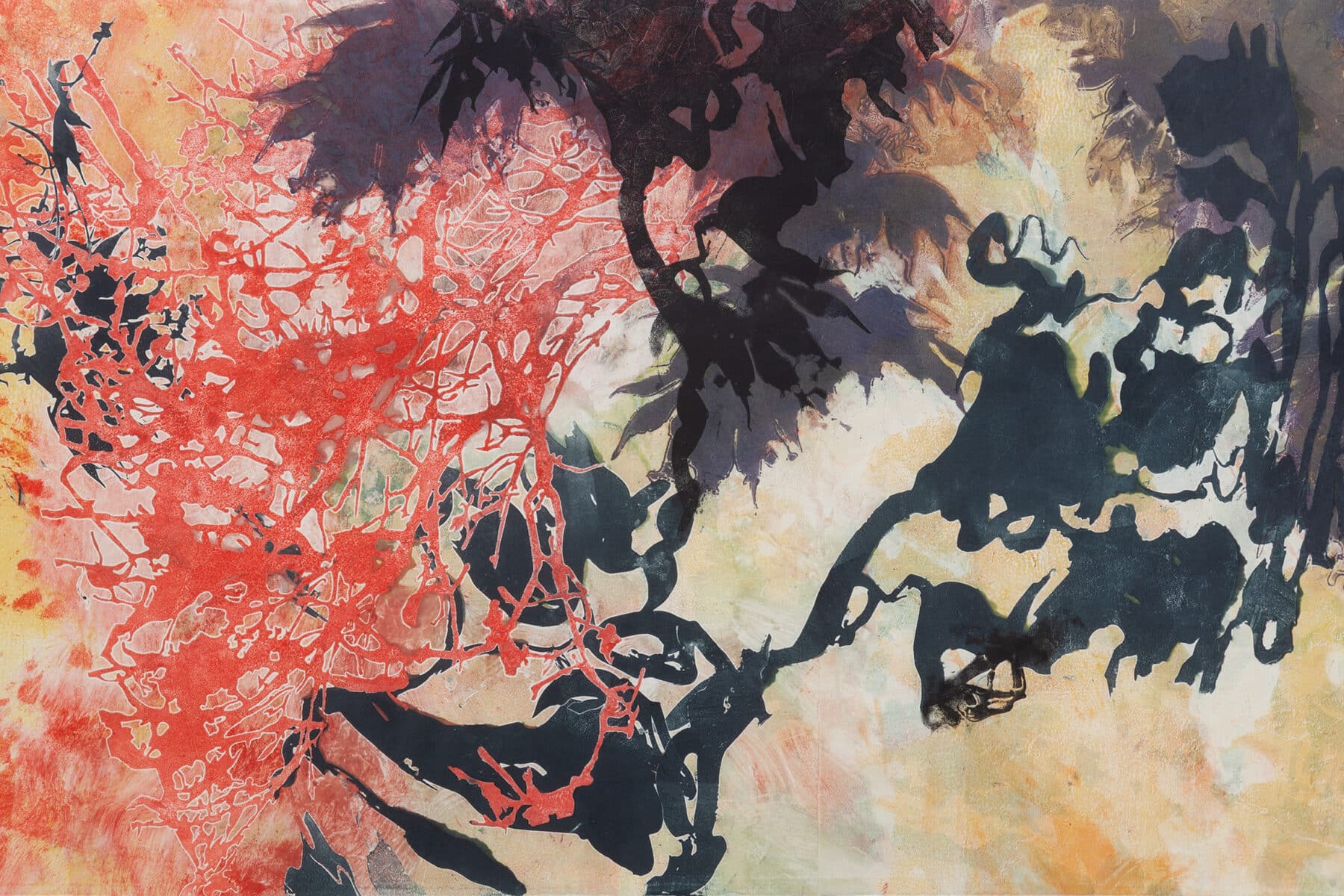
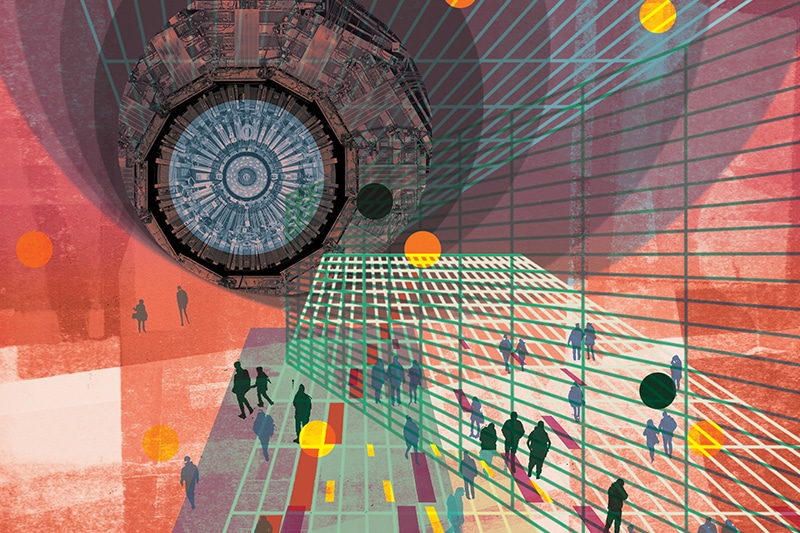
Rey Velasquez Sagcal's illustration for "The Purpose of Punishment" by Randy McDonald

The Purpose of Punishment

What does it mean for a punishment to truly fit a crime? A post-conviction attorney explores the limits of a criminal legal system built on retribution.
Join the Conversation

Social Media

Follow us on BlueSky, Facebook, Instagram, and LinkedIn.

Forum

Read responses to our published essays from experts around the world.

Read Forum

Attend Events

Connect with our dynamic community of experts and policy-makers.

See Events

Forum

In response to essays published in Issues, our readers weigh in on critical topics in policy related to science, technology, and society.

Send a Response View All Forums

Future Tense Fiction

Future Tense Fiction is a speculative fiction series that uses imagination to explore how science and technology will shape our future. It features short stories written by acclaimed authors across a wide range of styles. Each story is paired with original artwork by Rey Velasquez Sagcal and a response essay from an expert who connects the fictional narrative to real-world policy debates.

  • Rey Velasquez Sagcal's illustration for "Golden Rule" by Monica Byrne

    Golden Rule

    In an alternative legal system built on the concept of “an eye for an eye,” if you commit a crime, your punishment is that someday a network of state agents will perpetrate the same crime against you. These ministers, themselves survivors of violence, follow the principle of “commensurate severity.” When one such minister is assigned to a kidnapping case, she’s forced to determine what justice really looks like.

  • Rey Velasquez Sagcal's illustration for "The Purpose of Punishment" by Randy McDonald

    The Purpose of Punishment

    What does it mean for a punishment to truly fit a crime? A post-conviction attorney explores the limits of a criminal legal system built on retribution.

    Response

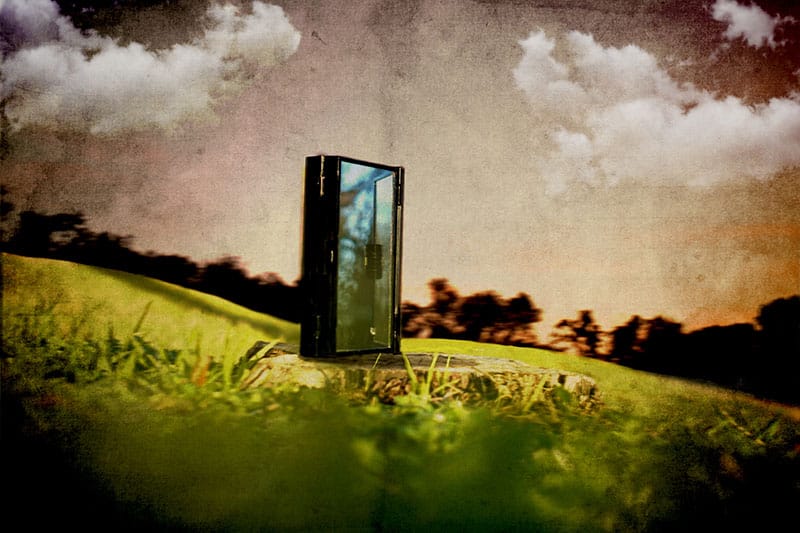
  • Rey Velasquez Sagcal's illustration for "The Pocket Box"

    The Pocket Box™

    What happens when a technology moves from groundbreaking scientific discovery to mass consumer product? Gunnar Anderson’s story explores a mysterious new discovery that breaks the bounds of physics as we once understood them. But quickly, scientific awe morphs into commercial prospecting—with little regulation and horrifying consequences.

  • Rey Velasquez Sagcal's illustration for Torie Bosch's essay

    What Happens When a Groundbreaking Invention Falls Victim to Human Impulse? 

    Even inventions with the loftiest of goals can be commandeered for unscrupulous—or nefarious—ends. Where does that leave the inventors?

    Response

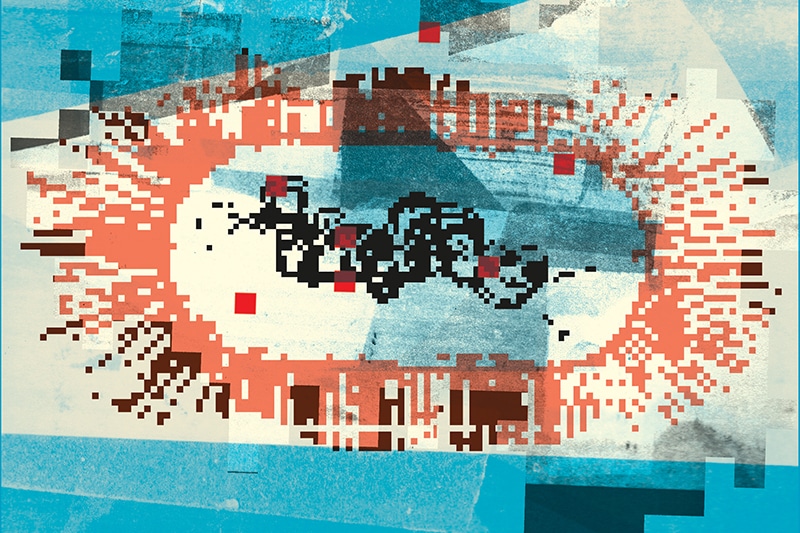
  • Rey Velasquez Sagcal's illustration for "What Would Akanda Do?" by Samit Basu

    What Would Akanda Do?

    An Indian actor in a future Mumbai has authorized politicians, entertainers, and businesses to use his likeness. When he discovers his image is being used as a tool for repression—and when two kids he’s close to disappear—the actor is forced to confront what he really gave away.

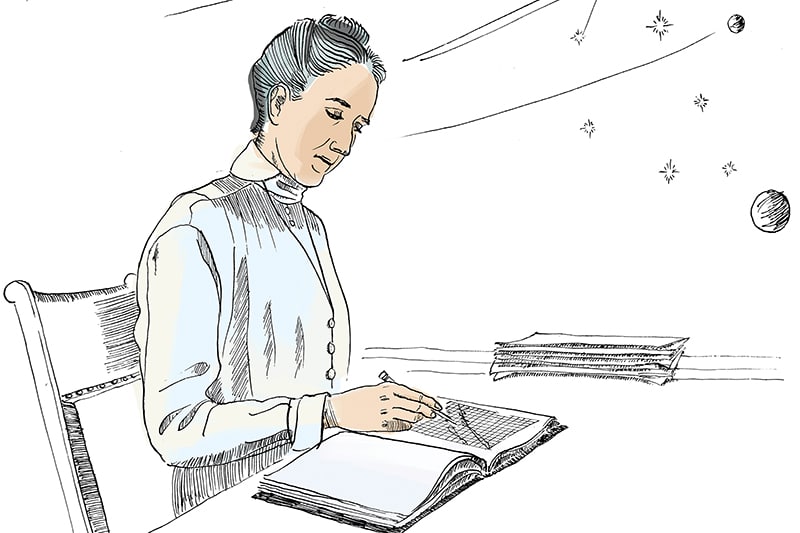
  • Rey Velasquez Sagcal's illustration for "The Dividing Towers of Mumbai" by Moira Shourie

    The Dividing Towers of Mumbai

    Moira Shourie returns to Mumbai, the city she once called home while working at MTV India. She reflects on how a culture of celebrity, rampant inequality, and complex urban design divide some residents and bring others together.

    Response

Browse our recent issues